
Datamar Blog
Read our insights on market updates, information and the latest articles.
Shipping, Carbon and the Rules of the Game
Datamar initiative combines operational data and scientific knowledge to support shipowners, ports and foreign trade companies in decarbonization decisions across South America.


Sep 9, 2026
DatamarNews: Strategic information for foreign trade and maritime shipping
With news published daily in Portuguese and English, DatamarNews tracks the sector’s main developments and shows how they can influence trade flows.

Sep 2, 2026
Market InsightsForeign Trade Data and Market Intelligence: Turning Information into Competitive Advantage
The rise of dashboards, artificial intelligence and tools based on large language models — known as LLMs — has made this process faster and more accessible. But technology only delivers consistent results when it is built on a reliable, organized database that is relevant to the business.
.jpg&w=3840&q=75)
Aug 25, 2026
Market InsightsMajor Brazilian Exporters of Containerized Cargo: A Sector Overview
According to Datamar data, Brazilian container exports reached 1,629,365 TEUs in the first half of 2026, up 5.9% year on year. For comparison, container exports totaled 3,249,402 TEUs in all of 2025.

Aug 19, 2026
CommoditiesBrazil Agricultural Export Trade Data: How Datamar Turns Updated Data Into Market Intelligence
See how Datamar’s DataLiner tracks Brazil agricultural export trade data by product, destination, port and historical trends.
Aug 11, 2026
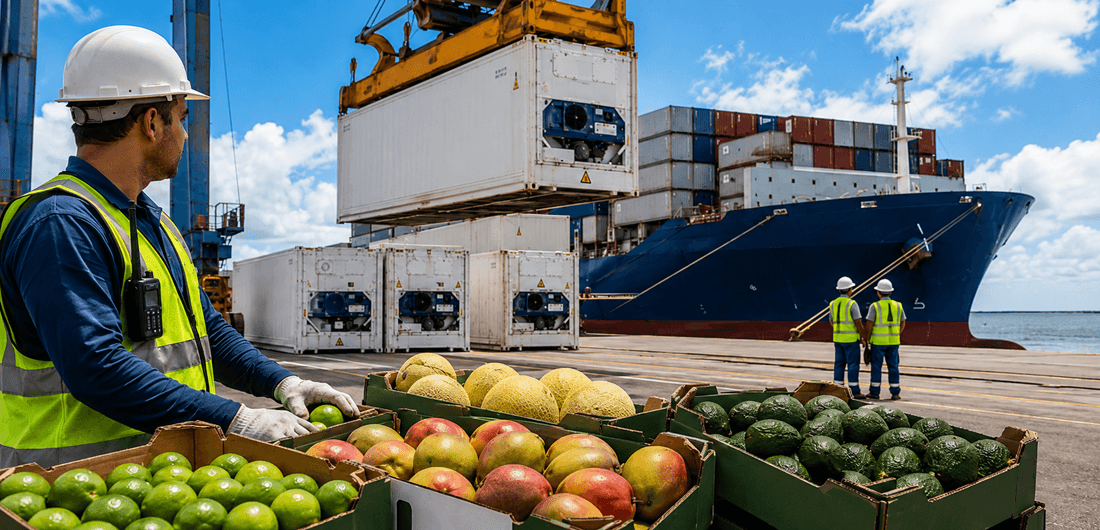
Market InsightsBrazilian Fruit Exports Rise as Cold-Chain Corridors Turn Perishables Into an Advantage
Datamar data shows Brazilian fruit exports rose in 1H 2026 as new harvest windows put mangoes, melons and reefer logistics in focus.
Aug 6, 2026
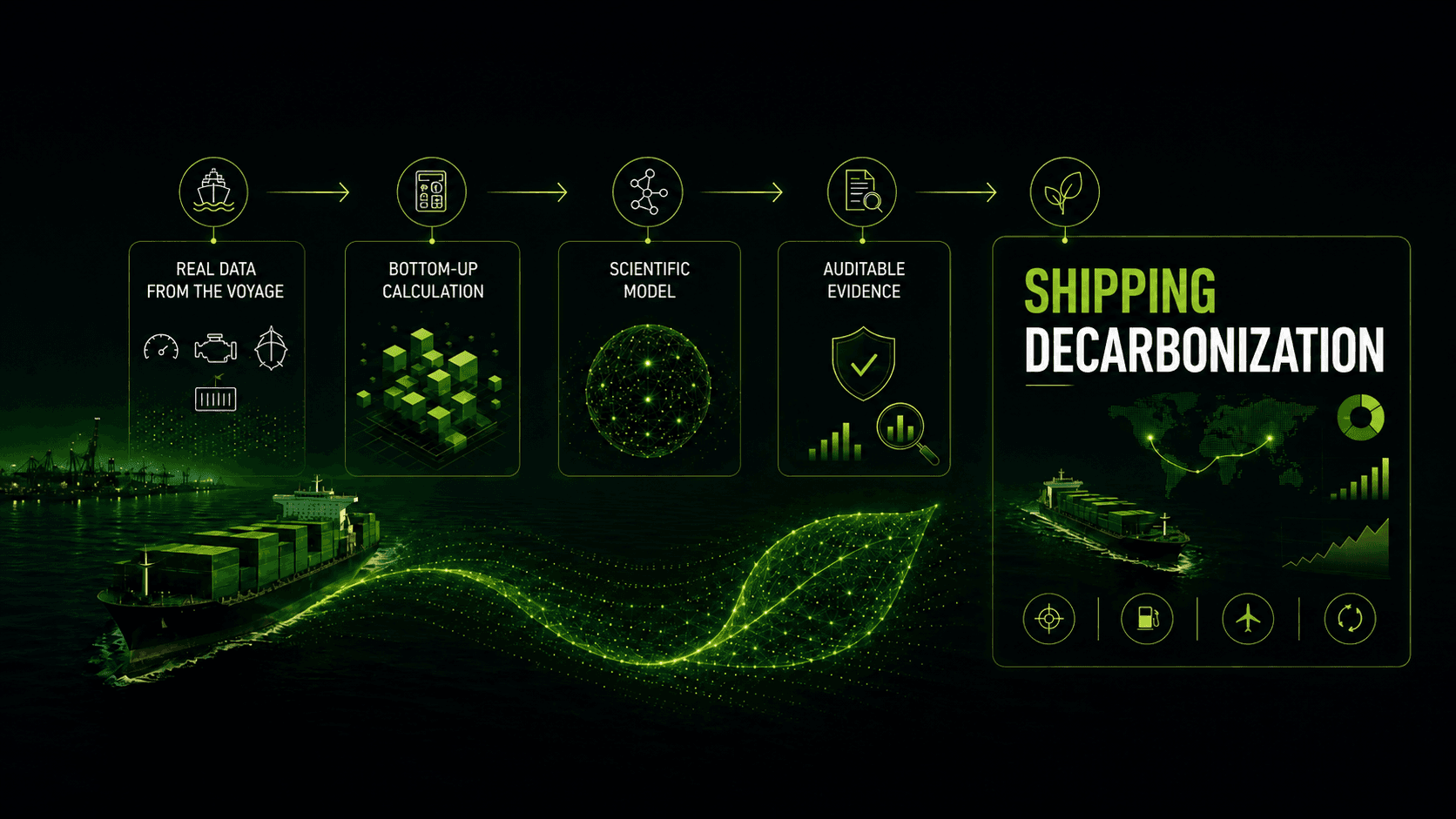
From Data to Strategy: How the Shipping Industry Will Use Emissions Intelligence
Learn how emissions data could support decisions by shipping lines, port terminals, freight forwarders, exporters, and importers.